
Reading time: ~7 minutes
By the end of the article, you will have:
- a clear way to distinguish valid psychoeducation from oversimplified information without dismissing what you see online.
- understanding why a video makes you feel like you have «all the symptoms» and how not to let the algorithm affect the real picture of your mental health,
- awareness of what is worth keeping from a quick self-diagnosis and when you need extra support from a mental health professional.
Let us start with a paradox. In no previous era have we spoken so openly about mental health, and never before have we been so confused about what is happening to us.
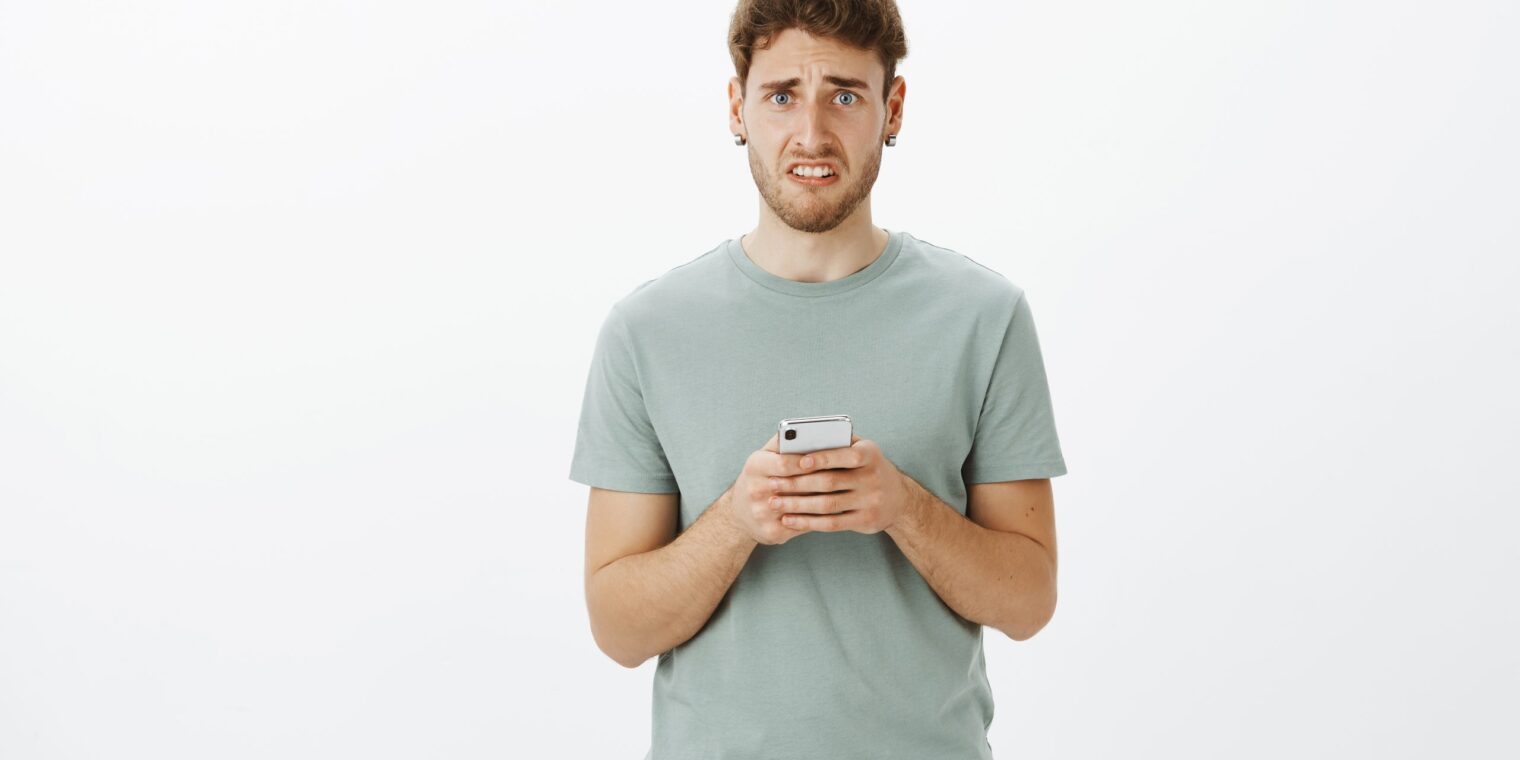
You are scrolling and a video captures your attention: «5 signs you have trauma you don't know about.» You immediately feel a tightness. You recognise yourself in four out of five. In thirty seconds you have adopted a label, an explanation and a solution. And right there, without even realising it, what started as curiosity became certainty.
At this point, I want to clarify that the problem is not that people are talking about mental health on social media. That is a good thing. The problem begins when a complex, living human experience is compressed into a short, absolute, viral label that fits everyone. Then, not only is the context lost, but you get lost within it too.
Let us look at what I mean in a scene – a composite of different clinical experiences.
A person comes into their first session and, before they've even settled properly, says: «I think I have an attachment disorder, I saw it in a video and suddenly understood what's happening to me.» The phrase isn't wrong, but it's closed off. As if they came not to explore, but to confirm a verdict.
Is it bad to get psychoeducation from social media?;
Clearly not. Often it's the first door someone opens towards themselves. A video with good content can put words to something you've felt for years without a name, reduce the stigma, and give you the feeling that you're not the only person experiencing it.
Research confirms this after all: young people turn to the internet for their mental health because it's accessible, anonymous, and free from the fear of judgment. This isn't a weakness, but a completely understandable seeking movement.
Social media is by no means the enemy. The text you are reading now attempts to do exactly the same: online psychoeducation. The difference isn't whether it's «online or not». The difference lies in whether the content leaves you more curious about yourself, or gives you a ready-made answer that shuts down the conversation?;
Where exactly is the red line of psychoeducation on social media;
The problem on social networks begins, when a complex clinical concept becomes brief, absolute and viral, without context and without nuances. According to a systematic review, there is a major space for the dissemination of inaccurate or misleading health claims.
Specifically, a study examining the most popular ADHD videos found serious content quality issues, with a large proportion of the information failing to meet clinical criteria. Furthermore, a Guardian journalistic investigation into popular mental health advice posts found that over half contained some form of misinformation, ranging from innocent simplification to «trauma therapy in one hour».
The red line, therefore, does not lie between «good» and «bad» content. It lies between what invites you to think and what sells you certainty. It is no coincidence that, as a society, we are talking more and more easily about diagnoses.
How do I distinguish valid information from misinformation in a video?;
The quickest check is not to look what it says, but how it says so. Valid psychoeducation leaves room for complexity; misinformation rushes to close the subject.
| 🟢 Green lines | 🔴 Red lines |
| Talks about «possible patterns», not certainties | «If you do X, you definitely have Y» |
| Distinguishes symptom from diagnosis | Turns every human emotion into a disorder |
| Refers to sources or a mental health professional | Promises a quick, universal solution |
| Acknowledges that every person is unique | Pushes you to group together with those who have the specific problem-diagnosis |
| Leaves you feeling more at peace | Leaves you with more fear and anxiety |
A simple rule: if a video gives you a diagnosis and at the same time and a a solution within thirty seconds, it is misinformation. Truly complex things rarely fit into a short video.
Why do I feel like I «own» everything I see?;
This happens when you «stumble» upon a video that triggers both recognition and suspicion in you at the same time. Then your body sounds the alarm before logic has a chance to weigh things up. It's not a matter of gullibility. Your nervous system is simply doing what it was made to do: scanning for a threat.
The dangerous part is that the algorithm is trained on what catches your attention. If you linger a little longer on anxiety, it will serve you up even more anxiety. In this way, an echo chamber is gradually created, where each new video confirms the suspicion of the previous one.
Unfortunately, the distress you feel is real and important. You aren't just imagining it. However, the fact that it is real does not automatically mean that the interpretation given to you by the video is correct. The symptom is not a mental disorder, it is an alarm. And every alarm needs regulation, not yet another label.
Is it bad that I self-diagnosed? What should I do with the result?;
Keep the curiosity, not the label. Self-diagnosis can be a very good starting point, but it is almost never a reliable conclusion.
And this is where the plot twist I want you to hold onto comes in. The problem is usually not that the video was completely wrong. It might have touched on something accurate. The problem is that it stopped right where it should have begun η δουλειά. Σου έδωσε ένα όνομα και μετά σε άφησε να το διαχειριστείς χωρίς καμία επιπλέον στήριξη.
Μια ταμπέλα μπορεί να σε ανακουφίσει («επιτέλους, υπάρχει εξήγηση») ή να σε φυλακίσει («άρα έτσι είμαι, τελείωσε»). Η διαφορά κρίνεται στο τι κάνεις μετά. Αναρωτιέσαι «τι σημαίνει αυτό για μένα, στη δική μου ζωή»; Ή σταματάς να κοιτάς τον εαυτό σου, επειδή νομίζεις ότι τον κατάλαβες ήδη;
Η περιέργεια, δηλαδή η ζωντανή, ανοιχτή επαφή με αυτό που νιώθεις, είναι ακριβώς το υλικό από το οποίο φτιάχνεται η αλλαγή. Δεν χρειάζεται να διαλέξεις μία εκδοχή του εαυτού σου που χωράει σε μια ετικέτα. Χρειάζεται να μείνεις αρκετά ανοιχτός ώστε να τις δεις όλες.
Πότε χρειάζεσαι επιπλέον στήριξη
Ένα βίντεο μπορεί να σε ξυπνήσει· δεν μπορεί να σε συνοδεύσει θεραπευτικά. Αν αναγνωρίζεις κάποια από τα παρακάτω, αξίζει να αναζητήσεις εξατομικευμένη επαγγελματική στήριξη:
- Η διαδικτυακή αναζήτηση έχει γίνει επαναλαμβανόμενος έλεγχος συμπτωμάτων που σε αγχώνει αντί να σε ηρεμεί.
- Νιώθεις περισσότερο φόβο ή εγκλωβισμό μετά το σκρολάρισμα, όχι περισσότερη ελευθερία.
- Η διεγνωσμένη από τα social media ετικέτα έχει αρχίσει να περιορίζει τις επιλογές σου ή τις σχέσεις σου.
- Υπάρχει έντονη απορρύθμιση, αίσθηση κινδύνου ή σκέψεις που σε τρομάζουν.
Μια χρήσιμη πρακτική άσκηση: «Το φίλτρο των 30 δευτερολέπτων»
Πριν πιστέψεις ή μοιραστείς ένα βίντεο για την ψυχική υγεία, κάνε στον εαυτό σου πέντε ερωτήσεις:
- Ποιος μιλάει; Είναι επαγγελματίας ψυχικής υγείας ή κάποιος που μοιράζεται προσωπική εμπειρία; (Και τα δύο έχουν αξία, αλλά δεν είναι το ίδιο.)
- Μου δίνει βεβαιότητα ή χώρο; Λέει «ίσως / συχνά / μπορεί» ή «σίγουρα / πάντα / όλοι»;
- Σύμπτωμα ή διάγνωση; Περιγράφει ένα βίωμα ή με βαφτίζει με μια διαταραχή;
- Πώς νιώθω στο σώμα μου τώρα; Περισσότερη ηρεμία ή περισσότερο συναγερμό;
- Τι κάνω μετά; Με ωθεί να εξερευνήσω και να ζητήσω στήριξη ή να κλειστώ σε μια ετικέτα;
Αν οι απαντήσεις γέρνουν προς τη βεβαιότητα, την ταμπέλα και τον φόβο, τότε κράτα την πληροφορία ως υπόθεση προς διερεύνηση, όχι ως αλήθεια.
Frequently Asked Questions
Μπορεί η αυτο-διάγνωση από τα social media να είναι τελικά σωστή; Μερικές φορές δείχνει προς τη σωστή κατεύθυνση και αυτό έχει αξία. Η διάγνωση, όμως, είναι μια σύνθετη διαδικασία που περιλαμβάνει ιστορικό, αξιολόγηση και πλαίσιο, όχι απλώς αντιστοίχιση με μια λίστα συμπτωμάτων σε ένα βίντεο. Δες την λοιπόν ως αφετηρία κουβέντας, όχι ως ετυμηγορία.
Τι είναι το «therapy-speak» και γιατί μπορεί να γίνει πρόβλημα; Είναι η χρήση κλινικών όρων και άλλων (τραύμα, narcissist, gaslighting, «τοξικό») στην καθημερινή γλώσσα, συχνά εκτός του πραγματικού τους νοήματος. Δίνει στιγμιαία αίσθηση ελέγχου, αλλά μπορεί να απλοποιήσει σχέσεις και να κλείσει τη συζήτηση αντί να την ανοίξει.
Γιατί ο αλγόριθμος μού δείχνει συνέχεια περιεχόμενο ψυχικής υγείας; Επειδή έδειξες ενδιαφέρον, έστω και με ένα δευτερόλεπτο παραπάνω προσοχής, και το σύστημα σου σερβίρει κι άλλο παρόμοιο. Έτσι δημιουργείται ένας θάλαμος ηχούς που επιβεβαιώνει τις υποψίες σου. Το να κάνεις συνειδητή διαχείριση της ροής σου είναι μέρος της αυτοφροντίδας.
Πώς μιλάω σε κάποιον δικό μου που αυτο-διαγνώστηκε από ένα βίντεο; Χωρίς να γελοιοποιείς αυτό που ένιωσε. Αναγνώρισε ότι κάτι αληθινό τον άγγιξε και πρότεινε απαλά: «Σε ακούω. Έχεις σκεφτεί να το δεις και με κάποιον ειδικό;» Η σύνδεση λειτουργεί περισσότερο από τη διόρθωση.
In short
Η ψυχοεκπαίδευση στα social δεν είναι ο εχθρός. Η απλουστευτική, απόλυτη ψευδο-διάγνωση είναι. Ένα καλό βίντεο σε αφήνει με περισσότερη περιέργεια για τον εαυτό σου· ένα προβληματικό σου δίνει ταμπέλα, φόβο και γρήγορη λύση. Αν ένα βίντεο 30 δευτερολέπτων σε άγγιξε, κράτα την περιέργεια, όχι την ταμπέλα και, όπου χρειάζεται, ζήτα εξατομικευμένη επαγγελματική στήριξη.
References
Naslund, J. A., Bondre, A., Torous, J., & Aschbrenner, K. A. (2020). Social media and mental health: Benefits, risks, and opportunities for research and practice. Journal of Technology in Behavioral Science, 5, 245–257.
O’Reilly, M., Dogra, N., Whiteman, N., Hughes, J., Eruyar, S., & Reilly, P. (2018). Is social media bad for mental health and wellbeing? Exploring the perspectives of adolescents. Clinical Child Psychology and Psychiatry, 23(4), 601–613.
Pretorius, C., Chambers, D., & Coyle, D. (2019). Young people’s online help-seeking and mental health difficulties: Systematic narrative review. Journal of Medical Internet Research, 21(11), e13873.
Suarez-Lledo, V., & Alvarez-Galvez, J. (2021). Prevalence of health misinformation on social media: Systematic review. Journal of Medical Internet Research, 23(1), e17187.
Yeung, A., Ng, E., & Abi-Jaoude, E. (2022). TikTok and attention-deficit/hyperactivity disorder: A cross-sectional study of social media content quality. The Canadian Journal of Psychiatry, 67(12), 899–906.
Article Written & Edited by: Filippos Gkekis, Psychologist & Psychotherapist
Our article was hosted by psychology.gr, the trusted Greek portal relied upon by most people for mental health topics since 2003. Thank you!
One comment
Comments are closed.